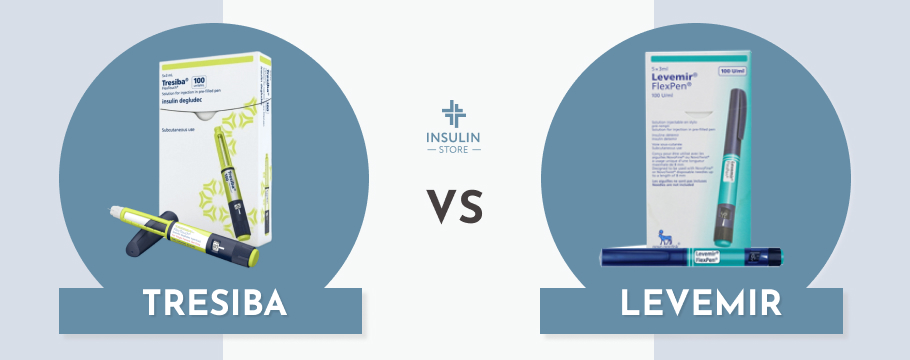
Tresiba vs. Levemir: What Is Best for You? A Patient-Friendly Guide
Managing diabetes is a long-term journey, and choosing the right insulin plays an important role in keeping blood sugar levels stable and supporting overall health. Among the many insulin options used to control blood sugar levels and available today, Tresiba and Levemir are two widely prescribed long-acting (basal) insulins. Both help control blood glucose throughout the day and night, yet they differ in how long they last, how they are taken, and how they fit into individual treatment plans.
If you are comparing Tresiba vs. Levemir for blood sugar control, you’re likely looking for a clear explanation of how they work, what makes them different, and which option might align better with your lifestyle and your doctor’s recommendations. This article explores those differences in an easy-to-read, in-depth manner, and without offering medical advice (since only your healthcare provider can determine which insulin is appropriate for your needs). Check out a detailed comparison of these two medications right away!
What Are Tresiba and Levemir (Ultra-Long-Acting and Long-Acting Insulins)?
Both Tresiba (insulin degludec) and Levemir (insulin detemir) are basal insulins used to treat diabetes, meaning they work slowly and steadily to maintain blood sugar between meals and overnight. They are not designed to handle quick rises in blood glucose after eating – that job belongs to rapid-acting insulins – but they form the foundation of many diabetes treatment plans:
- Tresiba (Insulin Degludec): Tresiba is classified as an ultra-long-acting insulin for adults and children over the age of one. It is known for its exceptionally long duration while controlling blood glucose levels – up to 42 hours in many individuals. Its slow, stable release profile allows for flexible dosing times, which is one of its most distinctive features.
- Levemir (Insulin Detemir): Levemir is long-acting and may be used to treat adults and children over the age of two years with diabetes. It offers a blood glucose control duration closer to 20–24 hours. For some patients, especially those with higher insulin needs, it may require two injections per day to maintain stable coverage. Levemir has been used for many years and remains a trusted option for patients who respond well to its steadier 24-hour profile.
KEY DIFFERENCES:
Tresiba is approved for use in adults and children ages 1 year and older, unlike Levemir, which can only be taken by children aged two years and upwards. Though both insulins serve the same purpose in diabetes management, their pharmacological differences affect how they fit into day-to-day treatment routines.
| Feature | Tresiba (Insulin Degludec) | Levemir (Insulin Detemir) |
|---|---|---|
| Insulin Classification | Ultra-long-acting basal insulin | Long-acting basal insulin |
| Age Approval | Adults and children 1 year and older | Adults and children 2 years and older |
| Typical Duration | Up to 42 hours | 20 to 24 hours |
Duration of Action: How Long Do Tresiba and Levemir Last?
One of the most prominent distinctions between Tresiba and Levemir is how long they remain active in the body:
- Tresiba’s Ultra-Long Duration: Tresiba can last up to 42 hours, depending on the individual. This does not mean blood sugar will be controlled for nearly two full days with a single dose, but it indicates that the insulin has a prolonged, stable background effect that reduces the likelihood of peaks and valleys. This long activity is helpful for patients who need consistent coverage and for those whose schedules vary from day to day. Because Tresiba maintains its presence for such an extended period, many patients experience smoother fasting glucose levels.
- Levemir’s 20–24-Hour Duration: Levemir typically lasts roughly one day, but its duration can depend on the dose and the patient’s metabolic needs. Some people find that a single injection per day works well, while others require a twice-daily regimen to avoid dips or spikes. This shorter duration can be a benefit for individuals who prefer a more controlled dosing schedule or for those who require adjustments based on varying activity levels and meal timing.
KEY DIFFERENCES:
The essential distinction is predictability vs. flexibility. Tresiba’s flexibility allows doses to be taken at different times of day without any impact on blood glucose control, whereas Levemir’s duration allows dosing to be more closely tailored to daily patterns.
“The ultra-long pharmacokinetic profile of insulin degludec provides a unique advantage for patients who struggle with rigid daily routines. By remaining active for over 42 hours, it minimizes the risk of gaps in basal coverage, creating a flat, predictable baseline of insulin that is highly forgiving of slight variations in dosing times.”
— Dr. Sarah Jennings, MD, Clinical Endocrinologist
How Do Tresiba and Levemir Work in the Body When Used for Blood Glucose Management?
While both Tresiba and Levemir lower blood glucose gradually, they do so using different mechanisms at the molecular level:
- Tresiba’s Mechanism: Tresiba forms multi-hexamers under the skin, creating a depot from which insulin molecules slowly and steadily separate. This mechanism allows for an even release of insulin and gives Tresiba its ultra-long action profile. The resulting effect is exceptionally flat, with fewer pronounced peaks.
- Levemir’s Mechanism: Levemir binds strongly to albumin in the bloodstream. This binding slows the insulin’s absorption and prolongs its availability. The way Levemir interacts with albumin gives it a reliable, steady effect, although it typically does not last as long as Tresiba.
KEY DIFFERENCES:
Both insulins provide stable background coverage, but Tresiba’s ultra-long profile means its action is even smoother, making fluctuations less likely. Levemir offers a consistent response as well, but it may require additional dosing to maintain that same level of smoothness throughout a 24-hour period.
Comparing Levemir vs. Tresiba Dosing Schedules and Daily Flexibility
Daily flexibility is a major factor when choosing an insulin, especially for people with busy or unpredictable schedules:
- Tresiba (Very Flexible Timing): One of Tresiba’s biggest advantages is that it allows for dosing flexibility. Although it is generally taken once a day, the timing does not have to be exact. If you occasionally take your dose later or earlier than usual (within a safe window determined by your doctor), the insulin still works effectively because of its extended duration. This makes Tresiba appealing for shift workers, frequent travelers, individuals with changing daily schedules, and patients who sometimes struggle with medication timing consistency.
- Levemir (More Precise Timing): Since Levemir typically lasts around 24 hours, it benefits from more consistent daily timing. Some individuals take it once daily; others take it twice daily. Whichever regimen a doctor recommends, sticking to a regular schedule helps keep blood sugar more stable. Because its duration is shorter, adjusting the dose or timing may need to be done more carefully and in consultation with a healthcare provider.
KEY DIFFERENCES:
Levemir is typically administered once or twice daily, while Tresiba can be administered once daily at any time with at least 8 hours between doses. Tresiba clearly offers more flexibility, but Levemir may be better suited for individuals who prefer structure or who require finer dosing adjustments across the day.
| Dosing Factor | Tresiba (Insulin Degludec) | Levemir (Insulin Detemir) |
|---|---|---|
| Dosing Frequency | Once daily | Once or twice daily |
| Timing Strictness | Highly flexible (minimum 8 hours between doses) | Strict (should be taken at the same time(s) each day) |
| Best Suited For | Shift workers, travelers, unpredictable schedules | Structured routines, individuals needing twice-daily baseline adjustments |
Blood Sugar Stability and A1C Control
A major goal of basal insulin therapy is to achieve stable fasting blood glucose and improve A1C levels over time:
- Tresiba’s Stability: Many clinical studies show that Tresiba often provides slightly smoother glucose levels with less day-to-day variability. Its ultra-long action helps reduce fasting glucose fluctuations, especially for individuals who previously experienced early-morning spikes.
- Levemir’s Effectiveness: Levemir is also very effective at improving A1C and maintaining steady blood sugar. For some people, twice-daily dosing allows a more customized adjustment to their body’s glucose rhythms, which can lead to excellent stability.
KEY DIFFERENCES:
Both insulins are effective at lowering A1C and improving overall control. Tresiba may have an advantage in reducing variability, but Levemir’s adjustable dosing can be particularly useful for people who need tailored basal support.
Hypoglycemia (Low Blood Sugar) Considerations as One of the Possible Levemir and Tresiba Side Effects
Hypoglycemia (low blood sugar) is an important topic when comparing insulins:
- Tresiba and Hypoglycemia: Evidence from clinical trials suggests that Tresiba may be associated with a slightly lower rate of nighttime hypoglycemia in some individuals. Its steady release and long action help minimize rapid drops. Also, Tresiba can cause common side effects including low blood sugar, weight gain, and injection site reactions.
- Levemir and Hypoglycemia: Similar to other long-acting insulins, Levemir provides stable coverage, and many patients tolerate it well with low rates of severe hypoglycemia. In some cases, the need for twice-daily dosing can reduce the risk of very prolonged insulin effects. Patients using Levemir should be aware of the risk of lipodystrophy at injection sites if they do not rotate their injection sites.
KEY DIFFERENCES:
Although these two insulins are considered safe and effective, both Levemir and Tresiba can lead to serious side effects such as severe allergic reactions and hypoglycemia. Tresiba’s flatter profile may offer an advantage for some, while Levemir’s predictable duration can be beneficial for others who require more precise control and a lower risk of hypoglycemia.
“Nocturnal hypoglycemia is a significant barrier to achieving glycemic targets and a major source of anxiety for patients. Because of its steady, peakless multi-hexamer mechanism, Tresiba has consistently demonstrated a lower incidence of severe nighttime lows in clinical trials when compared to earlier-generation basal insulins.”
— Dr. Marcus Thorne, PhD, Diabetes Clinical Researcher
Pen Devices and Ease of Use
Both Tresiba and Levemir are available in user-friendly insulin pens:
- Tresiba FlexTouch Pen: The Tresiba pen is known for its smooth push-button design that requires minimal force. It is available in U-100 and U-200 strengths, allowing some individuals to inject fewer units in a smaller volume.
- Levemir FlexPen: Levemir is a long-lasting insulin that also comes in a widely trusted, easy-to-operate device. It is available in U-100 concentration and supports flexible dosing increments.
KEY DIFFERENCES:
Both pens are discreet, portable, and designed with user comfort in mind.
Lifestyle Factors: Which Fits Your Routine?
Choosing between Tresiba and Levemir is often less about which insulin is objectively “better” and more about which one aligns with your daily rhythms.
Tresiba May Fit Better If You:
- Need dosing flexibility
- Have inconsistent meal or sleep schedules
- Prefer once-daily injections
- Travel frequently
- Want very stable fasting glucose levels
Levemir May Fit Better If You:
- Prefer a structured routine
- Need two smaller doses rather than one long-acting dose
- Respond better to an insulin with a 24-hour rather than 42-hour duration
- Want well-established long-term experience in therapy
AN IMPORTANT NOTE:
Again, only a healthcare provider can determine which option meets your medical needs, but understanding these lifestyle factors can help guide the conversation.
Final Thoughts: Tresiba, Levemir, Or Anything Else – Which Medication Should You Choose?
All in all, there is no universal answer to the Tresiba vs. Levemir question. Each insulin has unique features and may cause different individual responses or side effects. Still, they both are FDA-approved, reliable options for long-acting glucose control. The choice ultimately depends on your medical history, lifestyle, blood sugar patterns, and your healthcare provider’s clinical judgment. While Tresiba offers ultra-long, stable action with flexible dosing, Levemir provides a patient with consistent results with a duration that may support more tailored dosing schedules.
If you and your doctor decide that Tresiba, Levemir, or any other insulin is the best option for your treatment plan, InsulinStore is a trusted Canadian online supplier offering access to authentic insulin products for U.S. patients with valid prescriptions. Its reliable service, transparent pricing, and secure delivery help make ongoing diabetes care more manageable and affordable. So, why not buy Tresiba or order Levemir from Canada today?
AN IMPORTANT NOTE:
Both Levemir and Tresiba are the affordable treatment options. Still, the exact prices of Levemir and Tresiba can vary depending on insurance coverage, location, and pharmacy. Also, patients struggling to afford Levemir or Tresiba can seek help from patient assistance programs.
FAQ
Can I switch directly from Levemir to Tresiba?
Switching from Levemir to Tresiba must be managed by a healthcare provider. Because Tresiba lasts significantly longer, your doctor will likely calculate a new starting dose—often reducing the total daily units initially—to prevent unexpected drops in blood sugar.
Does Tresiba cause more weight gain than Levemir?
Mild weight gain can be a side effect of most insulin therapies as your body begins utilizing glucose more effectively. However, clinical studies do not indicate a massive difference in weight gain between Tresiba and Levemir. Your diet and exercise routine remain the primary factors in weight management.
Can I mix Tresiba or Levemir with rapid-acting insulins?
No. Neither Tresiba nor Levemir should ever be mixed in the same syringe or device with rapid-acting insulin or any other medication. Mixing them alters their chemical structures and destroys their timed-release mechanisms, leading to unpredictable and dangerous blood sugar levels.
What happens if I miss my scheduled dose of Tresiba or Levemir?
If you miss a dose of Tresiba, you can take it as soon as you remember, provided there is a minimum of 8 hours between doses. If you miss a dose of Levemir, the protocol depends on your specific dosing schedule (once vs. twice daily); you should follow the missed-dose instructions provided by your doctor to avoid overlapping.
References
- American Diabetes Association. (2024). Pharmacologic Approaches to Glycemic Treatment: Standards of Care in Diabetes—2024. Diabetes Care. https://diabetesjournals.org/care/issue/47/Supplement_1
- Novo Nordisk. (2023). Tresiba (insulin degludec) injection: Prescribing information. Plainsboro, NJ: Novo Nordisk Inc. https://www.accessdata.fda.gov/drugsatfda_docs/label/2015/203314lbl.pdf
- Novo Nordisk. (2022). Levemir (insulin detemir) injection: Prescribing information. Plainsboro, NJ: Novo Nordisk Inc. https://www.accessdata.fda.gov/drugsatfda_docs/label/2012/021536s037lbl.pdf
- U.S. Food and Drug Administration. (2021). FDA Approves Insulin Degludec for Diabetes Treatment. Silver Spring, MD: U.S. Department of Health and Human Services. https://www.fda.gov