
Glucose Level Chart Explained
Your blood glucose naturally rises and falls throughout the day. These changes are influenced by what and when you eat, as well as by factors such as physical activity, stress, sleep, illness, and medication.
Checking your blood sugar is not quite as straightforward as checking your weight, but it can be just as valuable for understanding your health. Because glucose levels can change frequently, a single reading may not tell the whole story. Looking at patterns over time gives you a clearer picture of how your body responds throughout the day and helps you manage blood sugar more efficiently. That’s why we believe this article, ‘Glucose Level Chart Explained’, will be helpful for all individuals who try to manage their blood glucose levels. We’ll provide you with the table and the numbers to help you better understand the topic.
Blood Sugar Levels Chart: Visual Explanation
Blood sugar levels are measured in mg/dL or mmol/L. To convert mg/dL to mmol/L, divide by 18.
| Test / Timing | Normal (No Diabetes) | Prediabetes | ADA Target (With Diabetes) |
|---|---|---|---|
| Fasting Blood Sugar (8+ hours without food) | |||
| mg/dL | 70–99 mg/dL | 100–125 mg/dL | 80–130 mg/dL |
| mmol/L | 3.9–5.5 mmol/L | 5.6–6.9 mmol/L | 4.4–7.2 mmol/L |
| 1–2 Hours After Meals (Postprandial) | |||
| mg/dL | <140 mg/dL | 140–199 mg/dL | <180 mg/dL |
| mmol/L | <7.8 mmol/L | 7.8–11.0 mmol/L | <10.0 mmol/L |
| A1C (3-month average) | |||
| A1C % | <5.7% | 5.7–6.4% | <7.0% |
| eAG equivalent | <117 mg/dL | 117–137 mg/dL | <154 mg/dL |
Warning: High blood sugar levels can lead to complications such as nerve damage and cardiovascular disease, thus they must be taken care of as quickly as possible.
Fasting Blood Glucose
- Normal fasting blood sugar: 70–99 mg/dL (3.9–5.5 mmol/L). Routine diabetes screening generally begins at age 35, or earlier for people with risk factors.
- Prediabetes: 100–125 mg/dL (5.6–6.9 mmol/L). Lifestyle changes can often help prevent or delay type 2 diabetes.
- Random blood sugar: Below 140 mg/dL is generally considered normal. A reading of 200 mg/dL or higher, together with diabetes symptoms, may indicate diabetes.
- Target for most adults with diabetes: 80–130 mg/dL (4.4–7.2 mmol/L) before meals. Individual targets may vary.
After-Meal Blood Glucose Levels
Without diabetes: Below 140 mg/dL (7.8 mmol/L) two hours after eating is generally considered normal. A result of 140–199 mg/dL may indicate prediabetes, while 200 mg/dL or higher may suggest diabetes.
Target for most adults with diabetes: Below 180 mg/dL (10.0 mmol/L) one to two hours after the start of a meal. Monitoring after meals is especially useful for people who take insulin.
A1C (HbA1c) Levels
A1C testing measures average blood sugar over 2-3 months. It does not require fasting, and results are shown as a percentage. The test may be less accurate in people with certain types of anemia, hemoglobin variants, or those receiving HIV treatment, but is still a valid option to get all important information.
Blood Sugar Range by Age
Normal blood glucose levels vary by age and health status. In addition, diabetes diagnostic thresholds are the same for all adults, but treatment targets may vary depending on age, overall health, and individual needs.
| Age Group | Normal Fasting | Normal Post-Meal | A1C Target (if diabetic) |
|---|---|---|---|
| Children (6–12) | 70–120 mg/dL | <140 mg/dL | <7.0% |
| Adolescents (13–17) | 70–120 mg/dL | <140 mg/dL | <7.0% |
| Adults (18–59) | 70–99 mg/dL | <140 mg/dL | <7.0% |
| Adults (60–74) | 70–99 mg/dL | <140 mg/dL | <7.5% (may be appropriate) |
| Older Adults (75+) | 70–105 mg/dL | <150 mg/dL | <8.0–8.5% (complex/high-risk) |
| Pregnancy | <95 mg/dL | <120 mg/dL (2-hr) | 6.0–6.5% |
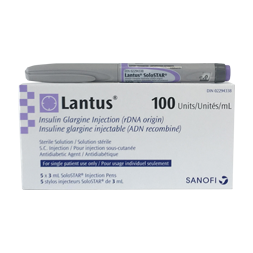
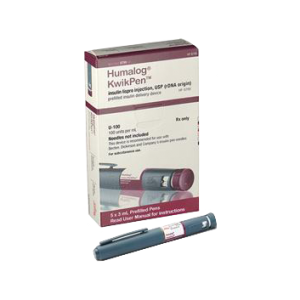
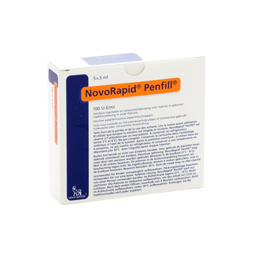
What May Affect Blood Sugar Levels?
Food and medication are not the only things that influence blood glucose. Understanding the factors below can help you make sense of your readings and avoid unexpected changes. Depending on the circumstances, they may raise, lower, or have varying effects on blood sugar.
- Food and carbohydrates. These have the most direct effect on blood sugar. High-glycemic foods, such as white bread, white rice, sugary drinks, etc., tend to cause faster and larger spikes than lower-glycemic options, like most vegetables, fruits, and whole grains. Carbohydrate counting is essential for insulin users.
- Physical activities and stress. Moderate exercise usually lowers blood sugar by helping muscles absorb glucose with less reliance on insulin. However, intense activity, such as sprinting or heavy lifting, can temporarily raise it by triggering stress hormones. Physical or emotional stress can also increase blood sugar. Illness, injury, surgery, anxiety, and other stressful situations may cause the body to release cortisol and adrenaline, prompting the liver to release stored glucose. Aim for at least 150 minutes of moderate physical activity weekly.
- Sleep. Poor-quality sleep can increase cortisol levels and reduce insulin sensitivity; even just one late night may lead to consequences that will take days to regulate.
- Medication. Insulin and most diabetes medications lower blood sugar. Other medicines, including steroids such as prednisone, some antipsychotics, certain blood pressure medications, and decongestants, may raise it. Discuss any new medication with your healthcare team.
- Alcohol. It may cause hypoglycemia, especially when consumed without food, because it can prevent the liver from releasing stored glucose. The effect may be delayed and occur several hours later. Certain drinks also contain carbohydrates that can initially raise blood sugar.
Symptoms of High Blood Sugar
- Frequent urination
- Increased thirst
- Blurred vision
- Headache
- Fatigue or weakness
- Dry mouth
- Cuts or wounds that heal slowly
- Fruity-smelling breath, which may be a warning sign of diabetic ketoacidosis (DKA)
- Nausea or vomiting, which may also indicate DKA
- Confusion, especially in severe cases or hyperosmolar hyperglycemic state (HHS)
Low Blood Sugar Signs
- Shaking or trembling
- Sweating, chills, or clammy skin
- A fast or irregular heartbeat
- Dizziness or lightheadedness
- Hunger or nausea
- Blurred or double vision
- Headache, irritability, or anxiety
- Pale skin
- Confusion or difficulty concentrating
FAQs
Which Numbers Are Considered High Glucose Levels?
For fasting blood glucose, a reading at or above 100 mg/dL is above the normal range. From 100 to 125 mg/dL falls into prediabetes, and 126 mg/dL or higher on more than one test indicates diabetes. Monitoring the numbers is crucial to spot any abnormalities in time and seek help if needed.
What Are the Common Blood Sugar Targets?
When talking about diabetic patients and their blood glucose targets, the normal range is typically: fasting levels of 80 to 130 mg/dL, post-meal levels below 180 mg/dL, and HbA1c less than 7%. Monitoring the numbers is crucial to spot any abnormalities in time and seek help if needed.
What Is a Continuous Glucose Monitor?
A continuous glucose monitor (CGM) is a small device for blood glucose monitoring in real life. It can be used by diabetic patients with type 1 and type 2 diabetes mellitus to ensure their blood sugar remains within a safe range. A blood glucose meter is commonly used for home testing; flash glucose meters use sensors and require no finger pricks. These medical devices come in various forms, so it’s possible to pick the most comfortable option based on a person’s needs.
Why Are Blood Sugar Levels Often Higher in the Morning?
Some people call it the dawn phenomenon. In the early morning, we often experience a surge in hormones such as cortisol and growth hormone. It signals the liver to release stored glucose to start a new day and prepare for the activities ahead. In non-diabetic people, extra insulin is produced to compensate; meanwhile, people with diabetes may experience abnormal fasting blood sugar levels. Specialists recommend adjusting medication timing and dosage to prevent this issue, as well as monitoring night-time blood glucose meter readings with a doctor to discuss them and tailor a safe plan to avoid unwanted glucose spikes.
What Should I Do in Case of Hypoglycemia?
Hypoglycemia, also known as low blood sugar, is a condition that can turn out dangerous if not treated on time. If glucose levels are low, it is recommended to have a sugary drink or snack on hand to quickly raise blood sugar. There are also special glucose pills sold over the counter in pharmacies that you can carry in your bag just in case. IMPORTANT: Fatty foods slow down sugar absorption, so chocolate, cookies, and other similar snacks wouldn’t be a suitable option to raise blood glucose quickly.
References
American Diabetes Association Professional Practice Committee. (2025). 2. Diagnosis and Classification of Diabetes: Standards of Care in Diabetes—2025. Diabetes Care, 48(Suppl. 1), S27–S49. https://pmc.ncbi.nlm.nih.gov/articles/PMC11635041/
American Diabetes Association Professional Practice Committee. (2026). 6. Glycemic Goals, Hypoglycemia, and Hyperglycemic Crises: Standards of Care in Diabetes—2026. Diabetes Care, 49(Suppl. 1), S132. https://pmc.ncbi.nlm.nih.gov/articles/PMC12690178/
National Institute of Diabetes and Digestive and Kidney Diseases. (2022). Diabetes Tests & Diagnosis. Bethesda, MD: National Institutes of Health. https://www.niddk.nih.gov/health-information/diabetes/overview/tests-diagnosis
American Diabetes Association. (n.d.). Checking Your Blood Sugar. Arlington, VA: American Diabetes Association. https://diabetes.org/living-with-diabetes/treatment-care/checking-your-blood-sugar